Why Is the Okavango Delta a UNESCO World Heritage Site?
The Okavango Delta was inscribed on the UNESCO World Heritage List in June 2014 — becoming Botswana’s first World Heritage Site and one of Africa’s most recently recognised natural wonders. The inscription recognises the delta as an “outstanding example of the interaction between climatic, hydrological, and biological processes” and acknowledges the extraordinary, globally unique nature of an inland delta that creates a permanent oasis of biodiversity deep within the Kalahari Desert.
What Makes the Okavango Globally Unique
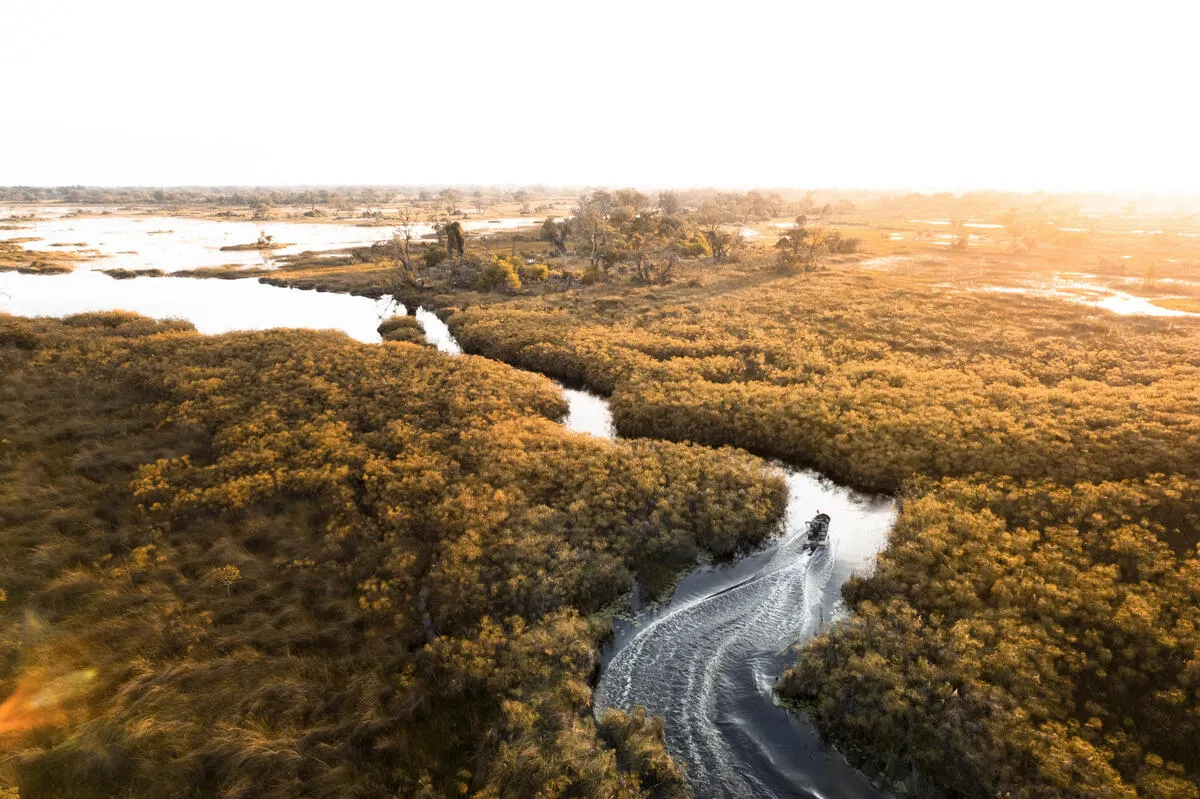
The Okavango is the world’s largest inland delta — a system where the Okavango River flows from the Angolan highlands into the Kalahari basin and, rather than reaching the sea, fans out across 15,000–22,000 km² of seasonal floodplain before evaporating or seeping into the desert. There is no ocean outlet. The delta’s seasonal flooding is driven entirely by Angola’s rainfall, arriving in the Botswana delta approximately six months after it falls — creating a flood in the Botswana dry season (peak flood: July–August) that appears counterintuitively during the driest months of the year.
This geological and hydrological uniqueness creates a biological miracle: an inland sea of permanent fresh water in one of the world’s driest environments, supporting one of Africa’s highest biodiversity concentrations — including 1,061 plant species, 89 fish species, 444 bird species, and 130 mammal species.
The Conservation Case for the Okavango
The UNESCO inscription provides international legal protection frameworks and global visibility for the Okavango’s conservation. Key threats to the delta include:
- Water extraction: Namibia’s plan to pipeline water from the Okavango River for urban and agricultural use (proposed 1990s, still debated) would reduce flow to the delta — a proposal that conservationists have consistently opposed
- Climate change: Shifts in Angola’s rainfall patterns directly affect the delta’s annual flood volume. Droughts in the Angolan highlands reduce delta water levels and affect wildlife carrying capacity.
- Human pressure: The communities surrounding the delta depend on its resources. Balancing conservation with legitimate community needs is the central challenge of Okavango management.
What the World Heritage Status Means for Visitors
World Heritage status does not restrict tourism — it reinforces the high-value, low-volume tourism model that Botswana’s government has implemented. The designation:
- Elevates the Okavango’s international profile and supports ecotourism as an economic argument for conservation
- Strengthens the legal basis for opposing extractive development within or upstream of the delta
- Provides a framework for long-term management and international funding for conservation programmes
Visiting Responsibly
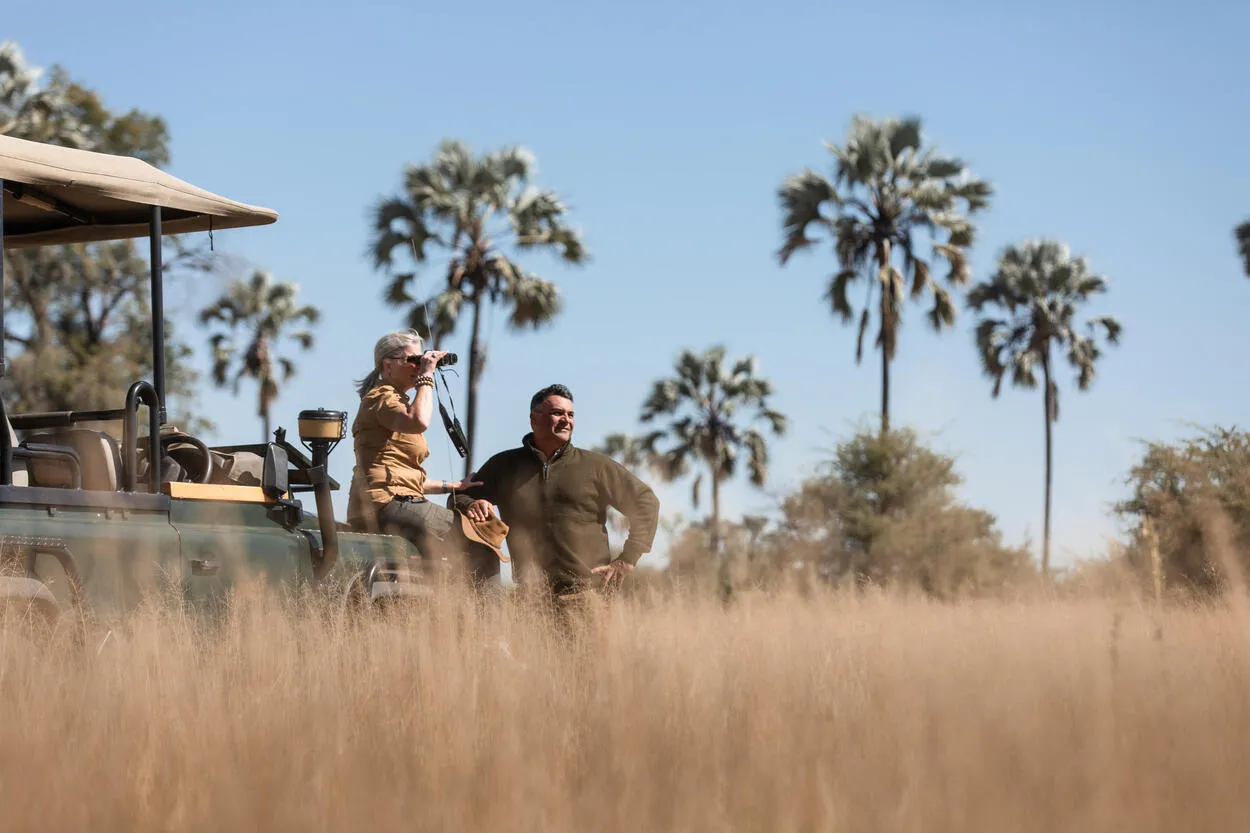
The Okavango’s conservation model is directly funded by tourism revenue. Choosing reputable, conservation-committed operators and camps — those that pay community levies, employ local staff, and adhere to low-impact operational standards — directly contributes to the preservation of the world heritage values that make the delta extraordinary.
For an Okavango Delta safari with operators committed to the delta’s conservation legacy, enquire with African Safari Group.