Why Did UNESCO Designate the Okavango Delta a World Heritage Site?
The Okavango Delta was inscribed on the UNESCO World Heritage List in 2014 — the 1,000th site to receive the designation — recognised as an “outstanding example of the interaction between climatic, hydrological, and biological processes.” The Delta is the world’s largest inland delta: a river that flows into a desert and creates, instead of emptying into the sea, a vast, biodiverse floodplain that supports one of the highest concentrations of wildlife in Africa. It is the interaction between the Okavango River’s annual flood pulse and the Kalahari sand system beneath it that makes the Delta unique on Earth.
What Makes the Okavango Delta Geographically Unique?
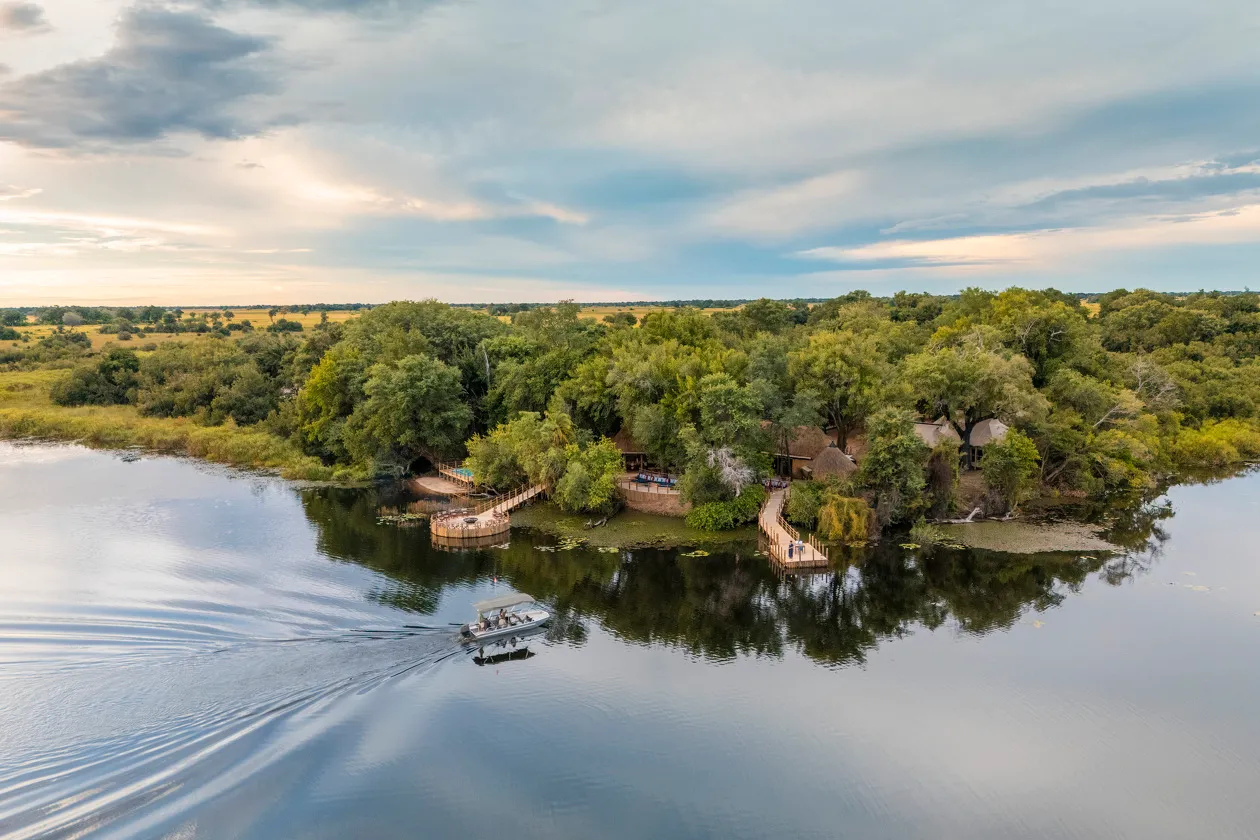
Almost every river on Earth flows to the sea. The Okavango River — rising in the Angolan highlands — flows southeast into the Kalahari Desert of northern Botswana and simply disappears: fanning out across 15,000 square kilometres of sand to create a seasonally flooded inland delta before the water evaporates or is absorbed by the desert. No ocean. No outlet. An entirely self-contained hydrological system that has operated this way for millions of years.
The annual flood arrives not in the wet season but 4–6 months later — fed by rains in Angola the previous wet season, the water pulse travels 1,200 kilometres downstream before reaching the Delta in June–August. The result is a flood that peaks in the dry season, creating an oasis at precisely the moment the surrounding Kalahari is at its most parched — concentrating wildlife from across the region around the Delta’s permanent channels and seasonal floodplains.
What Wildlife Does the Okavango Delta Support?
The Delta’s UNESCO designation acknowledges its extraordinary biodiversity:
- African elephant — Botswana holds the largest elephant population on Earth (approximately 130,000 animals); the Okavango is a critical dry-season refuge
- African wild dog — the Delta’s Moremi Game Reserve and Kwedi Reserve hold some of Africa’s most reliable wild dog sightings; Botswana is a global stronghold for this endangered species
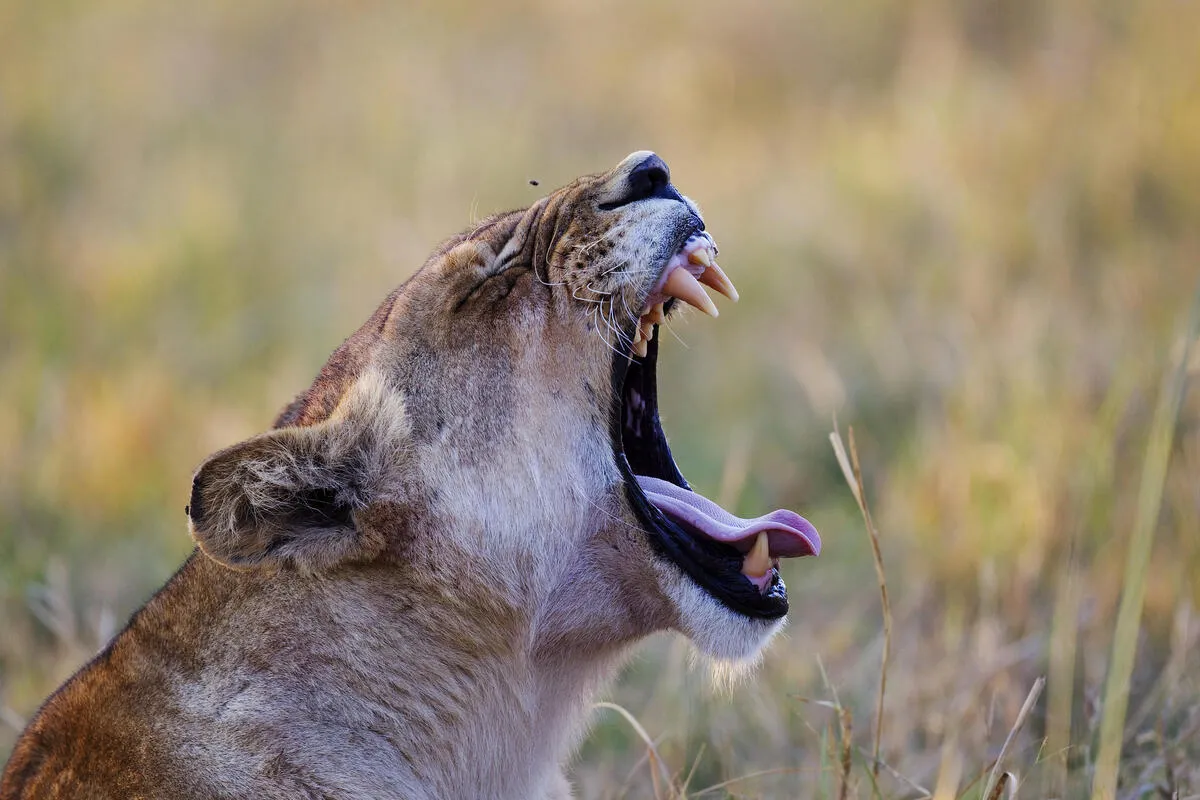
- Lion — exceptional populations across the Delta; some prides have developed specialist fishing and swimming behaviour unique to this aquatic environment
- Leopard — present in the riverine forests and on islands throughout the Delta
- Hippo — the Delta’s channels support enormous hippo populations; a mokoro (dugout canoe) safari through hippo territory is one of Africa’s most memorable experiences
- Sitatunga — a semi-aquatic antelope adapted to the Delta’s flooded environment; virtually impossible to observe elsewhere in Africa
- Lechwe and red lechwe — large herds wade through shallow floodwaters; iconic Delta imagery
- Birds: 550+ species recorded in the Delta system — one of Africa’s most important avian habitats; African fish eagle, saddle-billed stork, wattled crane, slaty egret (Delta endemic), pel’s fishing owl
What Are the Okavango Delta’s UNESCO Outstanding Universal Values?
UNESCO recognised the Delta under several criteria:
- Geological/hydrological process (Criterion vii): the Delta is a superlative natural phenomenon — a functioning inland delta in a desert environment, with a flood pulse system of global scientific significance
- Biodiversity (Criterion ix and x): the Delta supports exceptional biodiversity including threatened species; its wetland ecosystem represents ongoing ecological and biological processes of outstanding value
- Conservation integrity: the Okavango Delta remains largely undisturbed; low-impact photographic tourism and the Botswana government’s high-value, low-volume policy have preserved the ecosystem’s integrity
How Does Botswana’s High-Value, Low-Volume Policy Protect the Delta?
Botswana has deliberately pursued a tourism strategy that limits visitor numbers through high pricing rather than restricting access administratively. The result is that the Delta has very few lodges (each on exclusive private concessions), very few vehicles, and very low visitor density relative to its size. Game drives in the Okavango Delta almost never encounter another vehicle at a sighting — a stark contrast to the Masai Mara or popular Kruger routes. This policy directly protects the UNESCO designation’s integrity.
How Do You Visit the Okavango Delta?
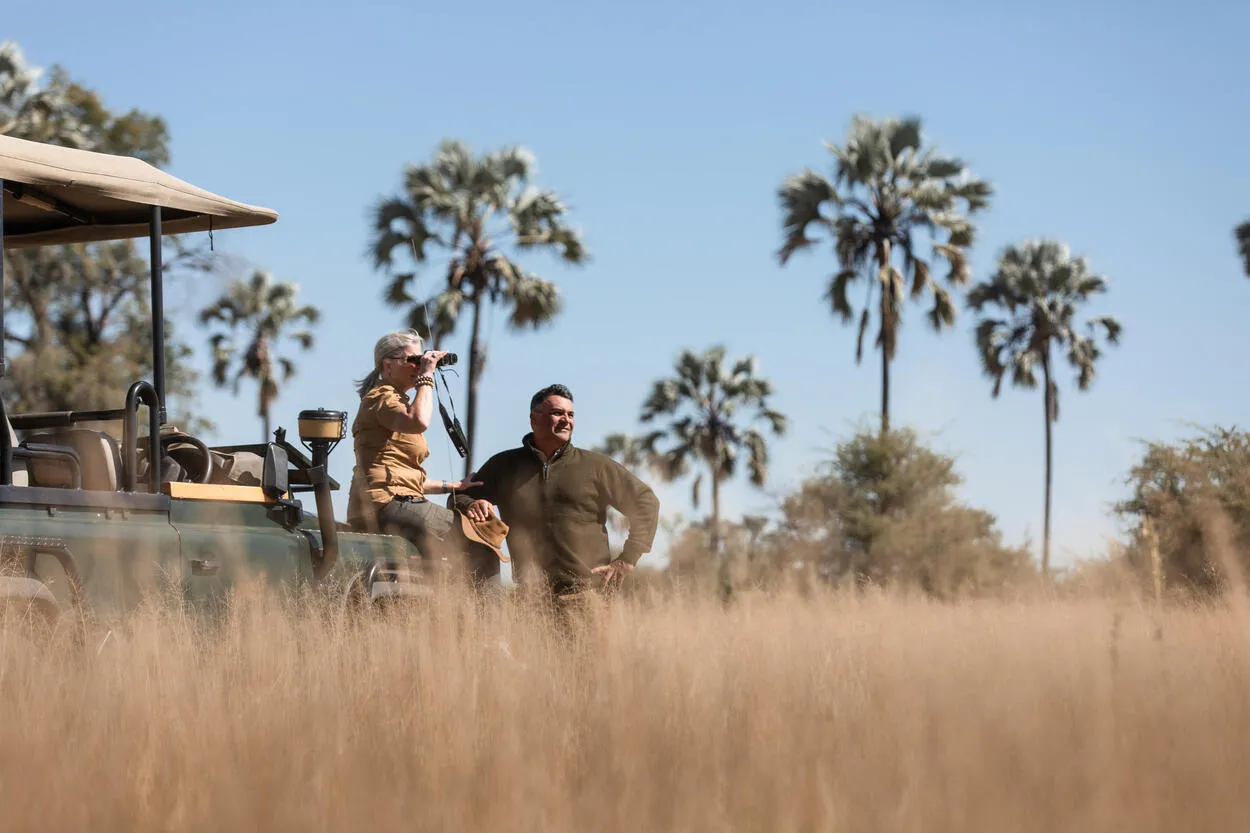
The Delta is accessible exclusively by small charter aircraft (landing on bush airstrips) or by 4×4 road from Maun, the gateway town. Most visitors fly in from Maun (10–30-minute flights) to remote lodge airstrips. Activities include open-vehicle game drives, mokoro (dugout canoe) excursions through papyrus channels, motorboat safaris, and guided bush walks on the Delta’s permanent islands.
Plan Your Okavango Delta Safari
African Safari Group designs Okavango Delta itineraries combining Moremi Game Reserve, the private concessions, and the remote Linyanti and Kwedi areas — often combined with Chobe National Park, Victoria Falls, or a Sabi Sands extension in South Africa.
Enquire Now to plan your Okavango Delta safari.