What Is Moremi Game Reserve?
Moremi Game Reserve is a 4,871 km² protected area within the Okavango Delta, established in 1963 as Africa’s first wildlife reserve created by an indigenous community — the Batawana people — who voluntarily gave up their traditional hunting grounds to protect the ecosystem. Moremi covers approximately one-third of the Okavango Delta and contains the most diverse and densely populated wildlife habitats in the delta, combining permanent water, seasonal floodplains, mopane woodland, and Chief’s Island’s terrestrial savanna in a single accessible area.
Why Moremi Is Special
The Okavango Delta is extraordinary, but Moremi is the part most consistent for a full safari experience:
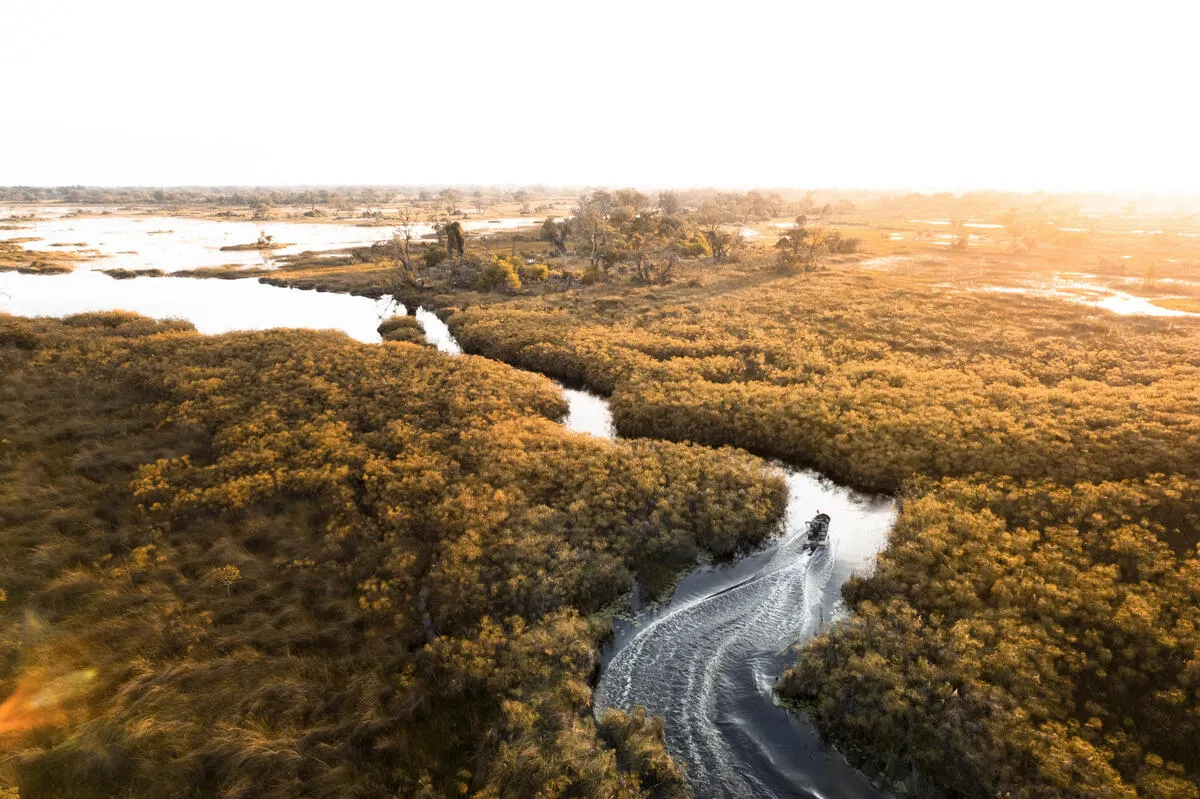
- Ecosystem diversity: Within Moremi, you transition between open floodplains with hippos and crocodiles, dense mopane forests with leopard, open grasslands with predators, and the delta’s iconic papyrus-lined channels — all within a single game drive.
- Wildlife density: Moremi supports the highest wildlife concentrations in the Okavango, particularly during the annual flood (June–August) when surrounding areas become submerged and animals concentrate within the reserve.
- Wild dog: Moremi Game Reserve is one of the top wild dog destinations in Africa. Multiple packs operate within the reserve, and the Moremi/Khwai area has been documented as one of Africa’s most important African wild dog breeding populations.
- Big Five minus rhino: Lion, leopard, elephant, and buffalo are reliably seen. Rhino were historically present but extirpated — not present in Moremi today.
How to Get to Moremi Game Reserve
All access to Moremi is through Maun, the Okavango’s gateway town (IATA: MUB). From Maun:
- Charter flight: 20–45 minutes to airstrips within Moremi. All luxury camps arrange direct charter transfers from Maun.
- 4WD road: The North Gate (Khwai) entrance is approximately 90 km from Maun on dirt roads. The South Gate (Maqwee) is accessible but less commonly used by lodge guests. Road access is only possible in a high-clearance 4WD vehicle and is impassable during peak flood season.
Best Time to Visit Moremi
| Season | Months | Highlights |
|---|---|---|
| Dry season (peak) | May–October | Wildlife concentrates at permanent water; flood fills channels; best overall game viewing |
| Green season | November–April | Lush vegetation, migratory birds, lower rates, some limited access |
| Flood peak | June–August | Maximum water levels; mokoro and boat safari in full effect; game on islands |
What to Expect at a Moremi Camp
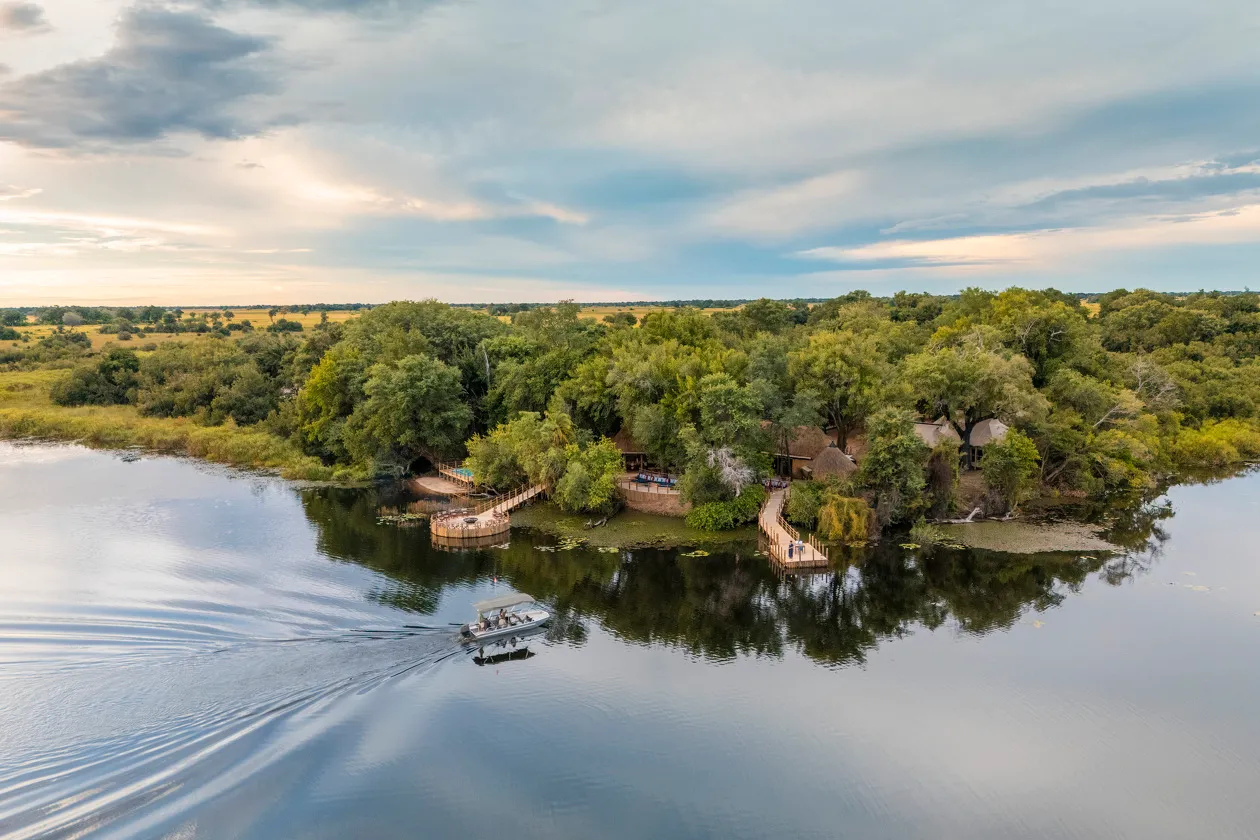
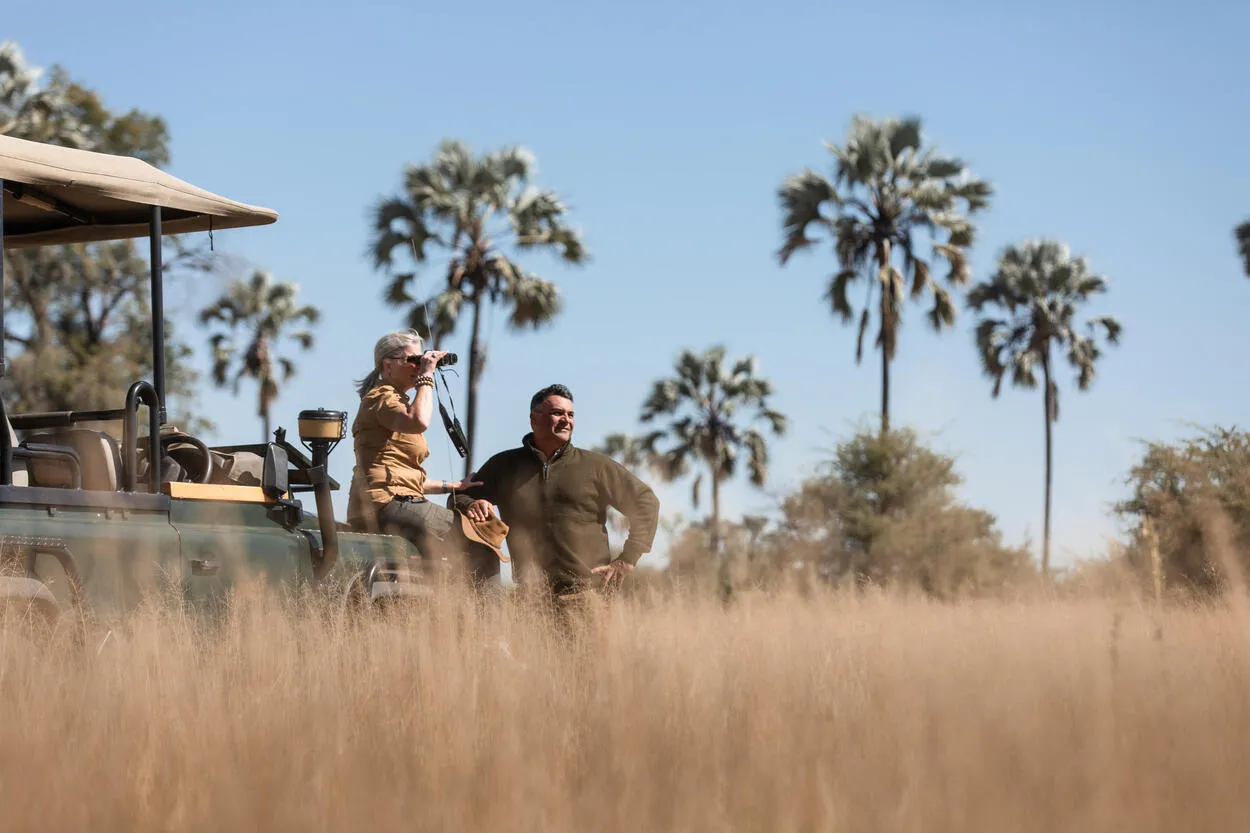
Camps within or adjacent to Moremi operate with morning and afternoon/evening game drives in open 4WD vehicles, mokoro and boat excursions on the delta channels, bush walks with armed guides, and night drives (where permits allow — not within the national reserve boundary, but in private concessions bordering it). Camps typically accommodate 10–24 guests in tented suites. The experience is fundamentally different from East or southern Africa’s open savanna camps — the Okavango’s combination of water and land creates an immersive, constantly varied safari environment.
For Moremi Game Reserve camp availability and Okavango itinerary design, enquire with African Safari Group.